
- July 17, 2023
- drsfurtimann
- 0
Health Problems Caused by Stagnant and Flood Water
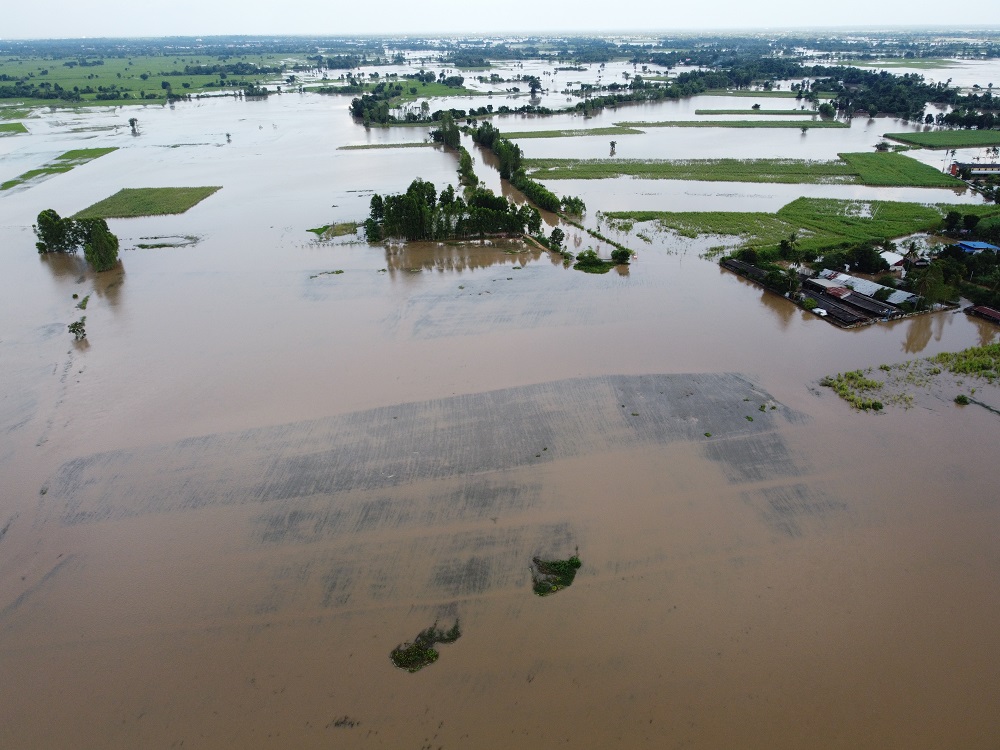
Every monsoon, waterlogging turns into a familiar problem across Gurgaon, from Sector 66 to Golf Course Road, with roads and low-lying areas staying flooded for days after heavy rain. Beyond the daily inconvenience, stagnant and floodwater create a serious health hazard. Stagnation of water following floods becomes a thriving breeding ground for mosquitoes, bacteria, and other harmful organisms. If left unattended, this triggers surges in infectious diseases across the affected area.
Floodwater in urban areas like Gurgaon often carries sewage and toxins, along with oil, diesel, or petrol runoff, garbage, dead animals, and chemicals swept up in the flooding. Anyone searching for the diseases caused by stagnant water, or wondering what health risks flood water actually carries, should know it falls into six broad categories.
What Diseases Can You Get From Flood Water
Exposure to contaminated floodwater and prolonged waterlogging can lead to:
- Vector borne infections, spread by mosquitoes and other insects that breed in standing water
- Water borne diseases, spread through contact with or consumption of contaminated water
- Chemical hazards, from industrial runoff, fuel, and waste mixed into floodwater
- Skin infections, from prolonged contact with contaminated water
- Allergies, particularly respiratory and skin allergies triggered by mold growth
- Mental health issues, linked to displacement, property damage, and the stress of recurring waterlogging
Areas with high humidity and moist materials, common during and after Gurgaon’s monsoon season, provide an ideal environment for mold and fungus growth, which can worsen symptoms in people who already have allergies or asthma.
Waterborne Diseases From Contaminated Flood Water
Direct exposure to contaminated floodwater, whether through drinking it accidentally, walking through it, or using it for daily tasks, can cause:
- Wound infections
- Skin infections
- Gastrointestinal illness
- Cholera
- Typhoid
- Hepatitis A
- Tetanus
- Leptospirosis
These waterborne diseases after flooding often begin with overlapping symptoms such as fever, headache, body ache, fatigue, nausea, and diarrhea, which is why persistent symptoms after wading through floodwater should never be ignored.
Mosquito Breeding and Vector-Borne Diseases
Stagnant water is one of the most common mosquito breeding sites, directly increasing the risk of dengue fever, malaria, and chikungunya, three of the most searched monsoon illnesses in Gurgaon every year. Floodwater can also displace animals, insects, and reptiles from their usual habitats, so staying alert and avoiding unnecessary contact with standing water is an important precaution for families in affected areas.
How to Avoid Diseases After a Flood or Waterlogging
A few practical precautions meaningfully reduce your risk during Gurgaon’s monsoon season:
- Keep the areas around your home dry and avoid letting water accumulate in coolers, planters, or open containers
- Wear full sleeved clothing, particularly in the evening and at night, to reduce mosquito exposure
- Avoid consuming street food and packaged items that may have been exposed to contaminated water
- Apply mosquito repellent creams and use mosquito nets at home
- Avoid exposing your mouth, nose, and eyes to floodwater
- Boil water intended for drinking and cooking during and after flooding
- Avoid walking through flooded or standing water wherever possible
When to See a Doctor
If you develop fever, persistent diarrhea, skin rashes, breathing difficulty, or unusual fatigue after exposure to flood water or prolonged waterlogging, it is best to get evaluated promptly rather than waiting it out, since several waterborne diseases can worsen quickly without treatment.
Consult Dr Sfurti Mann for Monsoon and Flood-Related Illness in Gurgaon
If you or your family have been exposed to stagnant or flood water this monsoon season, do not wait for symptoms to worsen before seeking care. Dr Sfurti Mann, a trusted general physician in Gurgaon, diagnoses and treats the full range of monsoon-related illnesses, from typhoid and gastrointestinal infections to dengue, skin infections, and allergy flare-ups triggered by mold and dampness. Book a consultation today for prompt evaluation and treatment.
Frequently Asked Questions
Q. What diseases are caused by stagnant water?
Stagnant water can cause vector-borne diseases like dengue, malaria, and chikungunya, waterborne diseases like typhoid, cholera, and hepatitis A, as well as skin infections and allergies triggered by mold and dampness.
Q. Is it safe to walk through flood water?
No, walking through flood water should be avoided wherever possible, since it can carry sewage, chemicals, and sharp debris, and increases the risk of skin infections and leptospirosis.
Q. What are the early symptoms of a waterborne disease after flooding?
Common early symptoms include fever, headache, body ache, fatigue, nausea, and diarrhea. These symptoms should not be ignored, especially after exposure to contaminated water.
Q. How can I protect my family from mosquito-borne diseases during the monsoon in Gurgaon?
Avoid letting water accumulate around your home, use mosquito repellents and nets, and wear full-sleeved clothing, especially during the evening and night when mosquitoes are most active.
Q. Is drinking water safe during flooding in Gurgaon?
Not unless it has been properly boiled or treated. Flood conditions often contaminate regular drinking water supplies, so boiling water for drinking and cooking is strongly recommended during and after heavy waterlogging.
Q. When should I see a doctor after exposure to floodwater?
You should see a doctor if you develop fever, persistent diarrhea, skin rashes, breathing difficulty, or unusual fatigue after contact with flood or stagnant water, rather than waiting for symptoms to resolve on their own.
Q. How can I book a consultation with Dr Sfurti Mann in Gurgaon?
You can call +91 75790 29984 or visit the official website to book an appointment at Ananta Health Clinic, Sector 66, Gurugram, or Shalby International Hospitals, Sector 53.