
- November 14, 2024
- drsfurtimann
- 0
If you’ve just picked up your CBC (Complete Blood Count) report and noticed the word “eosinophils” flagged in red or bold, you’re probably wondering — is this serious, what caused it, and do I need to see a doctor right away? You’re not alone. This is one of the most common questions patients bring to my clinic after a routine blood test.
Let’s break it down simply, without the confusing medical jargon.
What Are Eosinophils, and What Does a High Count Mean?
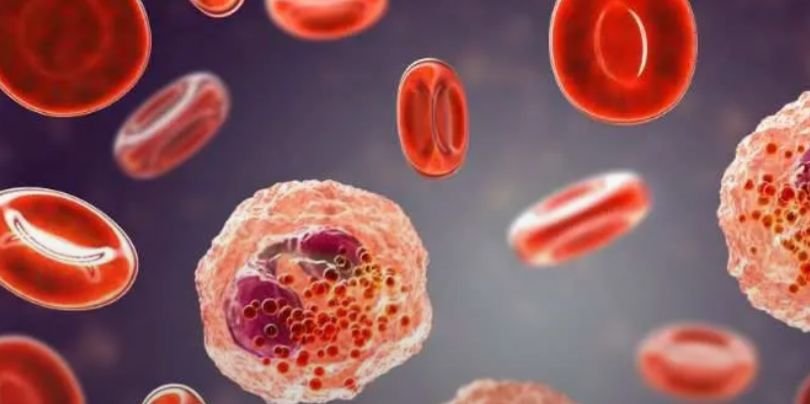
Eosinophils are a type of white blood cell that form part of your body’s natural defense system. Their job is to fight off parasites, respond to allergens, and help manage inflammation. A small number of eosinophils in your blood is completely normal — it only becomes a concern when the count rises above the expected range.
This is called eosinophilia, and it’s generally classified based on how high the count is:
| Category | Eosinophil Count (per microliter) |
|---|---|
| Normal | Below 500 |
| Mild Eosinophilia | 500 – 1,500 |
| Moderate Eosinophilia | 1,500 – 5,000 |
| Severe Eosinophilia | Above 5,000 |
If your report shows a percentage (say, 7% or 10%) rather than an absolute count, don’t worry — your lab or your doctor can quickly convert this into an absolute eosinophil count (AEC) using your total white blood cell count. A percentage alone doesn’t always tell the full story, which is exactly why this number should be interpreted by a doctor rather than compared to a number you found online.
Common Causes of High Eosinophil Count
There isn’t a single reason behind eosinophilia — it can point to several different underlying conditions, ranging from mild and manageable to ones that need closer monitoring. The most common causes include:
- Allergies — seasonal allergies, allergic rhinitis, and skin allergies are among the most frequent causes
- Asthma — especially allergic or eosinophilic asthma
- Certain medications — some antibiotics and other drugs can trigger a reactive rise
- Parasitic infections — particularly relevant if there’s been recent travel or exposure
- Autoimmune conditions — such as inflammatory bowel disease, vasculitis, or autoimmune myocarditis
- Skin conditions — eczema and certain dermatological disorders
- Hereditary factors — in rare cases, eosinophilia can run in families
- Blood disorders — in a small percentage of cases, a persistently high count may be linked to a blood-related condition, which is why ongoing monitoring matters
In most patients I see, allergies and mild reactive causes explain the majority of cases — but the only way to know for certain is through proper evaluation.
When Does High Eosinophil Count Become a Concern?
A mildly raised count picked up incidentally on a routine test is often nothing to panic about, especially if you have a known history of allergies or asthma. However, you should get it evaluated promptly if you notice:
- Persistently high levels on repeat blood tests
- Unexplained fatigue or weight loss
- Skin rashes, breathlessness, or digestive symptoms alongside the high count
- A very high number (moderate to severe eosinophilia)
- Symptoms that don’t improve with basic allergy treatment
If eosinophil levels stay elevated in specific areas of the body over time, it can lead to what’s known as an eosinophilic disorder — affecting the lungs, digestive tract, skin, or other organs. This is uncommon, but it’s exactly why persistent or unexplained eosinophilia shouldn’t be ignored.
How Is Eosinophilia Diagnosed and Treated?
The starting point is always understanding why the count is high — treatment isn’t about lowering the number itself, but about treating the underlying cause. As a General Physician and Internal Medicine specialist, my approach typically includes:
- A detailed history: — allergies, recent infections, travel history, medications, and family history
- A physical examination: to check for any related symptoms
- Targeted tests: such as allergy panels, stool tests for parasites, or additional blood work, depending on what your history suggests
- A treatment plan tailored to the actual cause — this could mean allergy management, adjusting a medication, treating an infection, or referral to a specialist if a more complex condition is suspected
Most cases of mild eosinophilia linked to allergies respond very well to simple, targeted treatment once the trigger is identified.
Should You See a General Physician for This?
Yes — and ideally, sooner rather than later. A high eosinophil count on its own is a lab finding, not a diagnosis. It needs to be interpreted alongside your symptoms, medical history, and sometimes further testing to understand what’s actually driving it. Self-diagnosing based on a single number from a report — or from a search on the internet — can lead to unnecessary worry or, just as often, false reassurance.
If your recent blood test has flagged high eosinophils, I’d recommend getting it reviewed rather than waiting for your next routine check-up. At Ananta Health Clinic in Sector 66, Gurugram, I see patients regularly for exactly this concern — from mildly raised counts linked to seasonal allergies to cases that need more detailed evaluation. With over 18 years of experience in Internal Medicine, I focus on identifying the actual cause behind the number, not just treating the report. You can book a consultation at the clinic or reach out directly to discuss your report and next steps.
Consult Dr. Sfurti Mann, Physician in Gurgaon
I’m Dr. Sfurti Mann, a General Physician in Gurgaon with over 18 years of experience in Internal Medicine and Diabetology. As a physician in Gurgaon, I’ve reviewed hundreds of CBC reports where a raised eosinophil count was the main concern that brought a patient in — and in almost every case, a proper evaluation gave far more clarity than the report alone ever could. Whether your eosinophils are mildly elevated or significantly high, getting an accurate diagnosis early makes treatment simpler and faster. If you’re searching for a trusted physician in Gurgaon to review your blood report and guide your next steps, you can consult me at Ananta Health Clinic, Sector 66, Gurugram. Book your appointment here and get a clear, personalised explanation of your report — not just a generic answer.
Frequently Asked Questions About Eosinophilia
Q: My eosinophil percentage is 7-8%. Is this high?
A percentage alone isn’t always conclusive — it depends on your total white blood cell count. It’s best to get your absolute eosinophil count (AEC) calculated and reviewed by a doctor rather than judging the percentage on its own.
Q: Is high eosinophil count always due to allergies?
No. Allergies are the most common cause, but infections, certain medications, autoimmune conditions, and occasionally blood disorders can also raise eosinophil levels. A proper evaluation is needed to identify the actual cause.
Q: Can high eosinophils be a sign of cancer?
In rare cases, persistently high or very severe eosinophilia can be linked to certain blood conditions, but this is uncommon. Most cases are caused by allergies or reactive conditions. It’s important not to jump to conclusions — get it evaluated by a doctor for an accurate picture.
Q: Do I need to repeat my blood test if eosinophils are high?
Often, yes. A repeat test helps determine whether the rise is temporary (reactive) or persistent, which guides how it should be investigated further.
Q: Can eosinophilia be treated permanently?
If the underlying cause — such as an allergy or an infection — is identified and treated, eosinophil levels usually return to normal. Ongoing monitoring may be needed in cases linked to chronic or autoimmune conditions.
Q: Which doctor should I consult for high eosinophil count?
A General Physician or Internal Medicine specialist is the right first point of contact. They can evaluate your history, order relevant tests, and refer you to a specialist (such as an allergist or hematologist) if needed.
Q: Is eosinophilia dangerous if I have no symptoms?
A mildly raised count with no symptoms is often not dangerous, especially if it’s a one-off finding. However, it’s still worth getting checked, particularly if it shows up again on a repeat test.