
- January 18, 2022
- drsfurtimann
- 0
10 Tips to Eat Well with Diabetes: A Complete Guide by Gurgaon’s Trusted General Physician
Medically reviewed by Dr. Sfurti Mann, General Physician & Internal Medicine Specialist, Gurgaon | Updated for 2026
Eating well with diabetes means choosing the right carbs, adding more fiber, picking lean proteins, and cutting back on sugar and salt. Simple food choices every day can help you control your blood sugar and keep your heart healthy. Managing diabetes doesn’t mean giving up the joy of eating — it means learning how to eat smarter. Whether you’ve been recently diagnosed with type 2 diabetes or have been managing it for years, the right eating habits can make the difference between stable blood sugar and constant highs and lows.
At Dr. Sfurti Mann’s clinic, we see patients every week who are confused about what “diabetic-friendly food” actually means. Some patients arrive convinced they can never eat rice or sweets again; others don’t realize how much hidden sugar is sneaking into their daily meals through sauces, packaged snacks, and “healthy” beverages.
The truth is, diabetes management isn’t about eliminating entire food groups — it’s about understanding how different foods affect your blood sugar and building habits that keep your levels steady throughout the day. With a few practical changes, you can eat delicious, satisfying meals while keeping your blood sugar in check. Here are 10 expert-backed tips to help you eat well with diabetes.
1. Understand the Glycemic Index (GI) of Foods
Not all carbohydrates affect your blood sugar the same way. The glycemic index measures how quickly a food raises blood glucose levels. Foods like white bread, white rice, and sugary snacks have a high GI and cause rapid spikes. On the other hand, whole grains, legumes, and most vegetables have a low GI and release glucose slowly.
Practical tip: Swap white rice for brown rice or quinoa, and choose whole wheat roti over refined flour (maida) options. Pairing a higher-GI food with protein, fiber, or healthy fat — such as dal, curd, or vegetables — also slows down glucose absorption and softens the overall impact on your blood sugar.
Quick GI reference for common Indian foods:
| Food | Glycemic Index | Category |
|---|---|---|
| White rice | 72–89 | High |
| Brown rice | 50–55 | Medium |
| White bread | 75 | High |
| Whole wheat roti | 45–52 | Low-Medium |
| Moong dal | 25–38 | Low |
| Sweet potato (boiled) | 44 | Low |
| Ripe banana | 51–62 | Medium |
| Apple | 36 | Low |
| Rajma (kidney beans) | 24–29 | Low |
The updated 2026 ADA (American Diabetes Association) Standards of Care continue to emphasize individualized nutrition therapy over one-size-fits-all diets — reinforcing that the pattern of eating matters as much as any single food choice.
2. Never Skip Meals — Especially Breakfast
Skipping meals can cause your blood sugar to swing unpredictably — dropping too low, then spiking when you finally eat. This is especially risky if you’re on diabetes medication or insulin.
Practical tip: Eat at consistent times each day. A balanced breakfast with protein and fiber (like moong dal chilla or vegetable poha with peanuts) helps stabilize sugar levels through the morning. If you’re on medication that affects your blood sugar, skipping meals can also increase your risk of hypoglycemia (dangerously low blood sugar), which can cause dizziness, sweating, and confusion.
3. Fill Half Your Plate with Non-Starchy Vegetables
Vegetables like spinach, bottle gourd (lauki), cauliflower, cucumber, and bell peppers are low in calories and carbohydrates but rich in fiber, vitamins, and minerals. They help you feel full without significantly raising blood sugar.
Practical tip: Use the “plate method” — half your plate should be non-starchy vegetables, a quarter lean protein, and a quarter whole grains. This simple visual trick removes the need for constant calorie counting while naturally controlling your carbohydrate intake at every meal.
4. Choose Healthy Fats Over Saturated and Trans Fats
People with diabetes are at higher risk of heart disease, so the type of fat you eat matters. Replace ghee-heavy or fried foods with healthier fats like nuts, seeds, olive oil, and avocado in moderation.
Practical tip: A small handful of almonds or walnuts makes a great snack that won’t spike blood sugar and supports heart health. Try shallow-frying or air-frying instead of deep-frying, and limit ghee and butter to small quantities used for flavor rather than as a primary cooking medium.
5. Watch Your Portion Sizes, Not Just What You Eat
Even healthy foods can raise blood sugar if eaten in excess. Portion control is just as important as food choice.
Practical tip: Use smaller plates, measure rice and roti portions, and avoid second helpings during festive or family meals. A simple rule: one roti or a small bowl (about ¾ cup) of rice per meal is a reasonable portion for most adults with diabetes, though this can vary based on your individual treatment plan.
6. Stay Hydrated — and Rethink Your Beverages
Sugary drinks, packaged juices, and sweetened tea or coffee are silent contributors to blood sugar spikes. Even “healthy” fruit juices can cause rapid glucose rises because they lack fiber.
Practical tip: Replace sugary drinks with water, buttermilk (chaas), or unsweetened herbal tea. If you enjoy fruit, eat it whole rather than juiced. Aim for at least 8-10 glasses of water a day — proper hydration also helps your kidneys flush out excess glucose more efficiently.
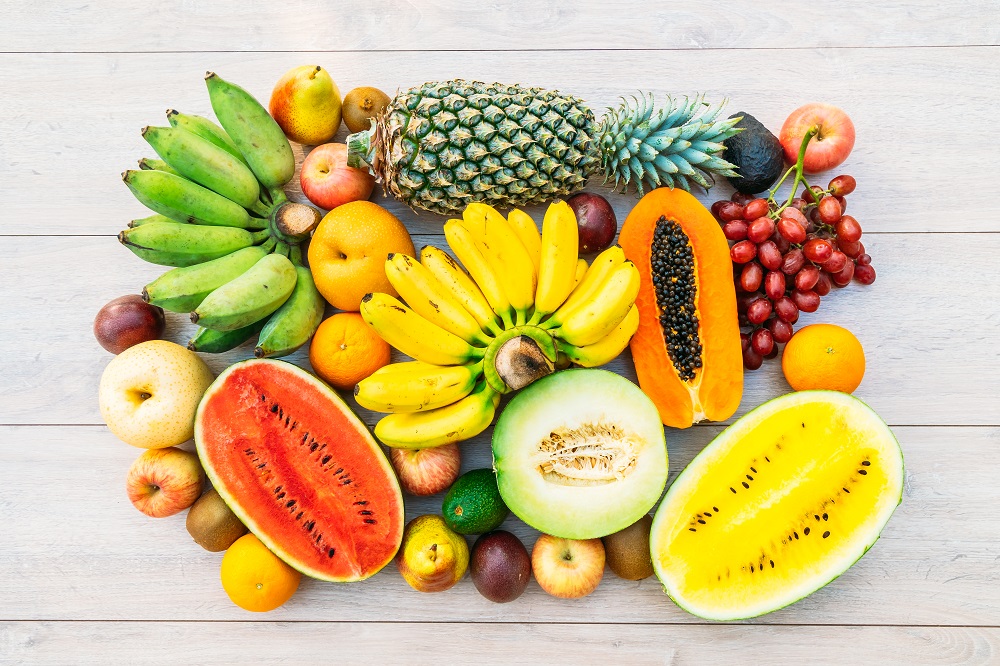
7. Don’t Fear Fruit — Just Choose Wisely
Many diabetics avoid fruit altogether out of fear, but fruit provides essential vitamins, antioxidants, and fiber. The key is choosing lower-GI fruits and eating them in moderation.
Practical tip: Apples, guava, papaya, and berries are better choices than mango, banana, or grapes when portion control is a concern. Always pair fruit with a source of protein or fat — like a few nuts or a spoon of curd — to slow sugar absorption. Try to have fruit as a standalone snack rather than immediately after a heavy meal.
8. Time Your Carbohydrates Around Activity
Physical activity helps your body use glucose more efficiently. Eating carbohydrates around the time of exercise — rather than right before sitting down for hours — can reduce blood sugar spikes.
Practical tip: A short 15–20 minute walk after meals has been shown to meaningfully lower post-meal blood sugar levels. Even light household activity or a walk around your building counts — consistency matters more than intensity.
9. Read Food Labels Carefully
Packaged and processed foods often contain hidden sugars under names like sucrose, high-fructose corn syrup, maltose, or dextrose. Even “sugar-free” products can contain refined carbohydrates that spike blood sugar.
Practical tip: Look for total carbohydrate and added sugar content on labels, not just the “sugar-free” claim on the front of the package. Be especially cautious with sauces, ketchup, flavored yogurts, and breakfast cereals — these are common hidden-sugar culprits in Indian households.
10. Consider Continuous Glucose Monitoring (CGM) for Real-Time Insights
One of the biggest shifts in diabetes management over the last few years is the growing accessibility of Continuous Glucose Monitors — small sensors that track your blood sugar throughout the day and night, not just at the moment you test. Instead of guessing which foods spike your sugar, a CGM shows you exactly how your body responds to that specific dal, that specific fruit, or that specific walk after dinner.
Practical tip: Even a short 1–2 week trial of a CGM can reveal personalized patterns — for instance, some people spike more from rice than roti, while for others it’s the reverse. This data helps your doctor fine-tune your diet with precision instead of generic advice.
11. Work With a Doctor to Personalize Your Diet
Diabetes management isn’t one-size-fits-all. Your ideal diet depends on your medication, activity level, weight goals, and any other health conditions like high blood pressure or cholesterol. Self-managing without medical guidance can lead to poor control or dangerous blood sugar drops.
This is where consulting an experienced General Physician in Gurgaon makes all the difference. Dr. Sfurti Mann works closely with patients to create individualized diabetes management plans that go beyond generic advice — factoring in your lifestyle, food preferences, and overall health picture.
When to See a Specialist
If you’re experiencing frequent blood sugar swings, unexplained weight loss or gain, fatigue, or if your diabetes is affecting other organs, it’s time to seek expert care. Explore our dedicated diabetes management services for a comprehensive, personalized approach to keeping your blood sugar — and overall health — under control.
Frequently Asked Questions
Q. Can a diabetic eat rice at all?
Yes, in moderate portions. Choosing brown rice, pairing it with vegetables and protein, and controlling portion size all help minimize its impact on blood sugar.
Q. Is fasting good for diabetes management?
Fasting can affect blood sugar unpredictably, especially for those on insulin or certain medications. Always consult your doctor before attempting intermittent fasting or religious fasting.
Q. How often should a diabetic get blood sugar checked?
This depends on your treatment plan, but most patients benefit from regular monitoring plus an HbA1c test every 3 months to track long-term control.
Q. Is a CGM necessary for everyone with diabetes?
Not necessarily, but it’s increasingly recommended for those on insulin, those struggling with unexplained blood sugar swings, or anyone who wants a clearer, personalized picture of how specific foods affect them.
Q. Can diet alone control type 2 diabetes without medication?
In early stages or prediabetes, diet and lifestyle changes alone can sometimes achieve good control. However, this should always be monitored and guided by your doctor, as needs can change over time.
Q. What is the ideal added sugar limit for a diabetic?
Most guidelines recommend keeping added sugar under 25 grams (about 6 teaspoons) per day, though your doctor may set a more specific target based on your overall health.
The Bottom Line
Eating well with diabetes is about balance, not restriction. Small, consistent changes — choosing low-GI foods, controlling portions, staying active, and working with a trusted doctor — can help you manage your blood sugar effectively while still enjoying your meals.
If you’re struggling to manage your diabetes through diet alone, don’t wait for complications to arise. Book a consultation today and take the first step toward better blood sugar control and a healthier life.