
- March 12, 2022
- drsfurtimann
- 0
High cholesterol rarely causes symptoms, which is exactly why it goes unnoticed until a routine blood test flags it or, in more serious cases, until it contributes to a heart problem. The good news is that cholesterol responds well to consistent lifestyle changes. This guide walks through what cholesterol numbers actually mean, the most effective diet and exercise changes, and when lifestyle alone is not enough and medical treatment becomes necessary.
What Is the Difference Between Good and Bad Cholesterol?
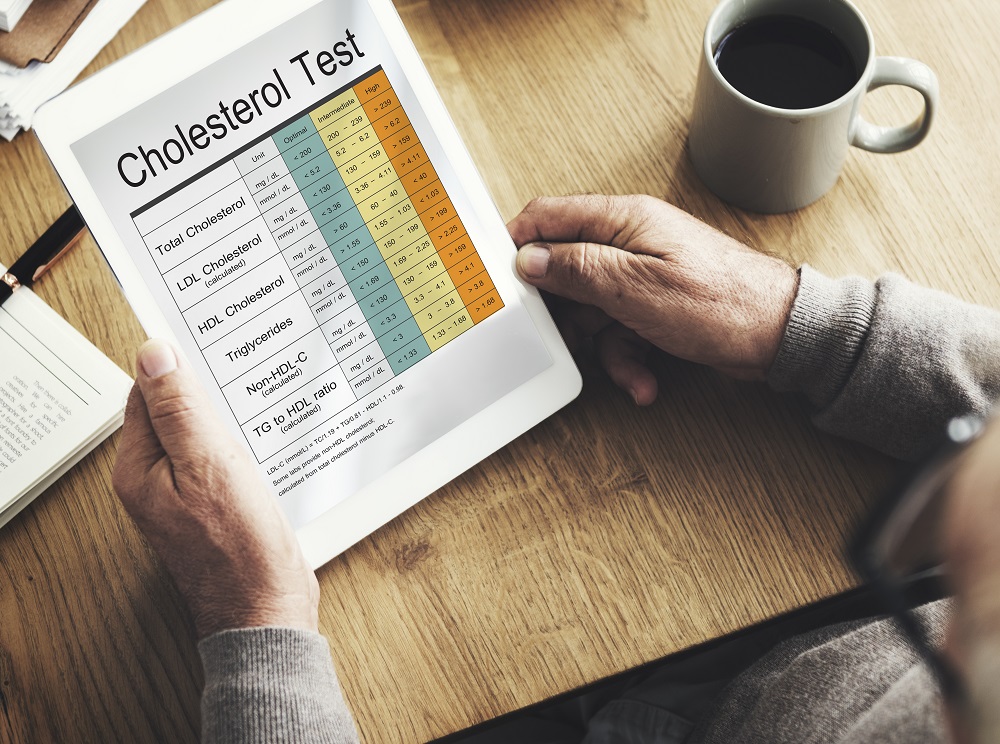
Cholesterol travels through your blood attached to two main types of lipoprotein. LDL, or low density lipoprotein, carries cholesterol to your arteries and is known as bad cholesterol because high levels build up as plaque and raise heart disease risk. HDL, or high density lipoprotein, removes cholesterol from the bloodstream and is known as good cholesterol, so a higher HDL level is protective. The goal of any lifestyle change is simple: lower LDL and raise HDL.
What Diet Changes Actually Lower Cholesterol?
Diet has the single biggest impact on your cholesterol numbers, and a few consistent swaps make a real difference over a few months.
- Cut back on saturated and trans fats. Red meat, full fat dairy, deep fried food and packaged baked goods raise LDL. Trans fats, often hidden in packaged snacks, are worse still and raise LDL while lowering HDL.
- Choose healthier oils. Replace butter, ghee in excess and refined vegetable oil with olive oil, canola oil or mustard oil, which are richer in unsaturated fats.
- Increase soluble fibre. Oats, barley, kidney beans, chana, apples and pears contain soluble fibre that binds to cholesterol in the gut and helps remove it from the body before it is absorbed.
- Eat fatty fish twice a week. Salmon, mackerel and sardines are rich in omega 3 fatty acids, which support heart health. If fish is not part of your diet, walnuts and flaxseeds are good plant based alternatives.
- Change your cooking method. Baking, grilling, steaming and roasting add far less fat than deep frying. Trim visible fat and skin before cooking meat or poultry.
How Does Exercise Affect Cholesterol?
Regular physical activity is one of the most reliable ways to raise HDL, the good cholesterol, while also helping lower LDL and triglycerides. Aim for at least 150 minutes of moderate aerobic activity a week, such as brisk walking, cycling or swimming. If a full session feels difficult, even short 10 minute bursts of movement through the day add up and still support better cholesterol levels. Consistency matters more than intensity here.
Does Losing Weight Really Improve Cholesterol?
Yes, and the effect can be significant even with a modest change. Losing just 5 to 10 percent of your body weight can lower total cholesterol, LDL and triglycerides. Extra body fat, especially around the abdomen, is closely linked to higher LDL and lower HDL, so sustainable weight loss through diet and activity is one of the most effective long term strategies.
Can Quitting Smoking Improve Cholesterol Levels?
Smoking lowers HDL cholesterol, and even regular exposure to second hand smoke can have the same effect. The encouraging part is how quickly the body responds. HDL levels can start improving within about 30 days of quitting, along with broader benefits for blood pressure and heart health. If you smoke and have high cholesterol, quitting is one of the highest impact changes you can make.
Do Sleep and Stress Affect Cholesterol?
Often overlooked, yes. Poor sleep increases inflammation and can disrupt how the body processes cholesterol, so aim for 7 to 8 hours a night on a consistent schedule. Chronic stress raises cortisol, which contributes to inflammation and metabolic changes that can worsen cholesterol levels over time. Simple daily habits like short walks, breathing exercises or a fixed wind down routine before bed support both better sleep and lower stress.
What Are the Benefits of Improving Cholesterol Naturally?
Better cholesterol numbers lower your long term risk of heart attack, stroke and other cardiovascular problems. Lifestyle changes also tend to improve related markers at the same time, including blood pressure, blood sugar and body weight, making them valuable even for people who are not yet on cholesterol medication. For people who already take medication, these same habits boost how well the treatment works.
When Do Lifestyle Changes Need Medical Treatment as Well?
Lifestyle changes can meaningfully lower cholesterol, but they are not always enough on their own, particularly when genetics or an existing health condition is involved. If your cholesterol stays high despite consistent diet and exercise changes over a few months, or if you have other cardiovascular risk factors, your doctor may recommend medication alongside your lifestyle efforts. Cholesterol lowering medicines and healthy habits work best together rather than as alternatives to each other.
Get a Personalised Cholesterol Management Plan from Dr. Sfurti Mann
Cholesterol numbers and the habits behind them look different for every patient, which is why a one size fits all diet sheet rarely works well on its own. Dr. Sfurti Mann is a best general physician in Gurgaon, practising at Ananta Health Clinic in Sector 66, Gurugram, with a special focus on lifestyle disorders, metabolic diseases and long term cholesterol management.
As a General Physician in Gurgaon, Dr. Sfurti Mann reviews lipid profiles, builds practical diet and activity plans around each patient’s routine, and adjusts medication where needed so cholesterol stays in a safe, stable range. Patients across Gurgaon regularly recommend her clinic for clear explanations and consistent follow up care. Learn more about her approach to cholesterol care or read about Dr. Sfurti Mann’s background and specialisation.
If your cholesterol levels have been difficult to manage, book an appointment with Dr. Sfurti Mann for a personalised assessment and treatment plan.
Frequently Asked Questions
Q. What is a healthy cholesterol level?
General targets are LDL below 100 mg/dL, HDL above 40 mg/dL for men and above 50 mg/dL for women, and total cholesterol below 200 mg/dL. Your doctor may set different targets based on your individual health history.
Q. Can cholesterol be controlled without medicine?
In many cases, especially when caught early, diet, exercise and weight loss can meaningfully improve cholesterol without medication. This should always be monitored with regular blood tests.
Q. How long does it take for lifestyle changes to lower cholesterol?
Many people see measurable improvement within 6 to 12 weeks of consistent changes, though full benefits often build over several months.
Q. Are eggs safe if I have high cholesterol?
Eggs can generally be included in moderation as part of a balanced diet. Portion and overall dietary pattern matter more than avoiding eggs completely, but check with your doctor if your LDL is significantly elevated.
Q. Does stress really raise cholesterol?
Chronic stress raises cortisol, which can contribute to higher cholesterol and triglyceride levels over time, so stress management is a genuinely useful part of a cholesterol lowering routine.
Q. How often should I get my cholesterol tested?
Most healthy adults should get tested every 4 to 6 years, but if you have risk factors like family history, obesity or diabetes, your doctor may recommend annual testing.