
- April 17, 2026
- drsfurtimann
- 0
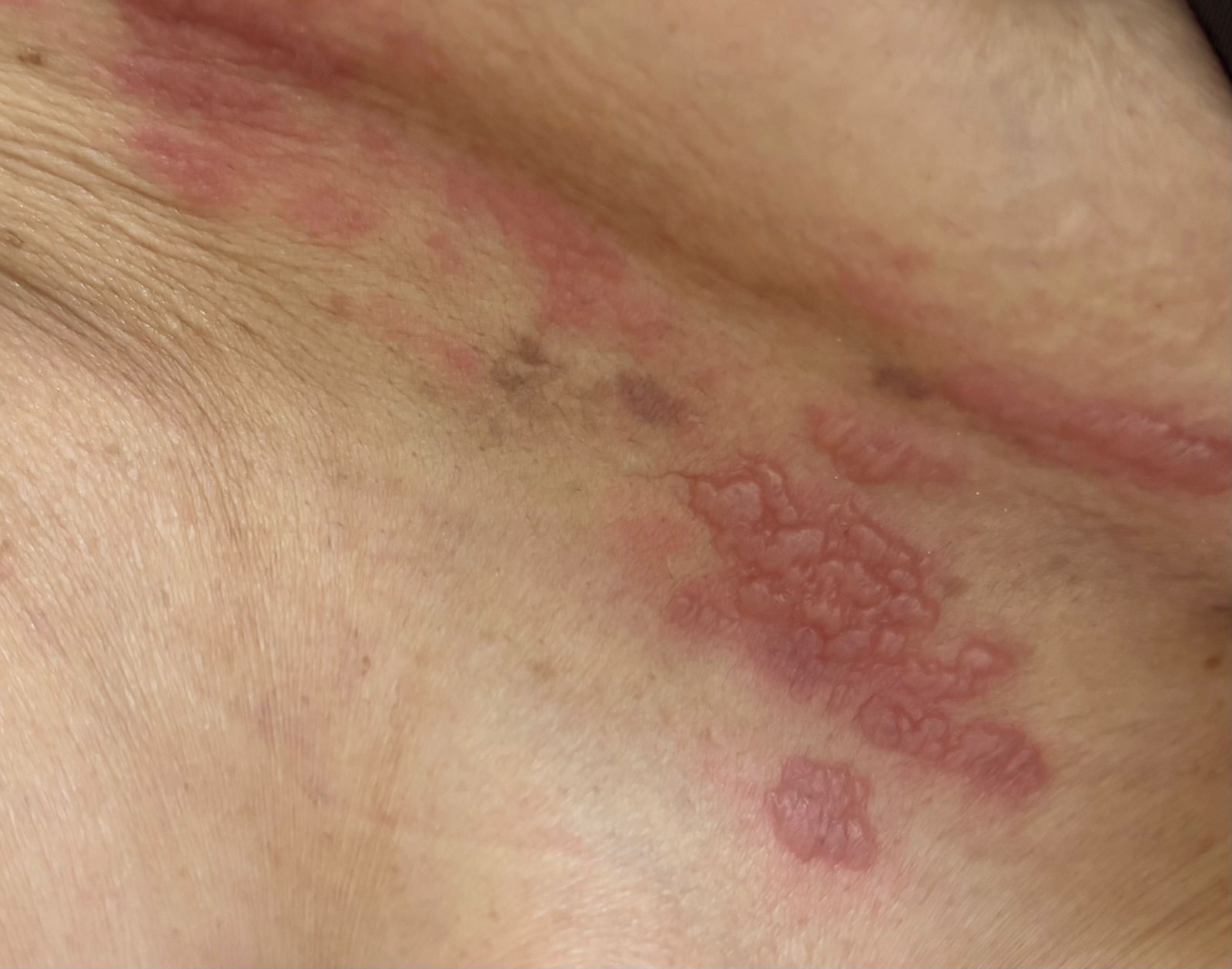
If you have recovered from shingles but the pain just will not quit, you are not alone. Post-Herpetic Neuralgia, also called PHN, is the most common complication of shingles. It happens when the virus that causes shingles damages nerve fibers in the skin. These damaged nerves keep sending confused, exaggerated pain signals to the brain, even after the shingles rash has completely healed.
What Is Post-Herpetic Neuralgia?
PHN is nerve pain that stays in the same spot where the shingles rash first appeared. It can last for weeks, months, or in some cases, years after the rash is gone. This is not the same as normal skin pain. It happens because the nerves under the skin were damaged and are now sending wrong signals to the brain.
What Causes PHN?
Shingles is caused by the varicella-zoster virus, the same virus that causes chickenpox. After a person recovers from chickenpox, the virus does not fully leave the body. It stays quiet inside certain nerve cells for many years. Later in life, the virus can wake up again and travel down the nerve to the skin, causing shingles. As the virus travels, it can injure the nerve fibers. This injury is what leads to postherpetic neuralgia in some people.
Who Is at Risk of PHN?
Not everyone who gets shingles will develop PHN. Some people are more likely to get it than others, including:
- People above the age of 50
- People with a weak immune system, such as those undergoing cancer treatment
- People with diabetes
- People who had a severe shingles rash or a lot of pain during the shingles outbreak
- People who did not get timely treatment for shingles
How Common Is PHN?
PHN does not happen to everyone who has had shingles. Studies show that around 1 in every 5 people with shingles goes on to develop PHN, and about 9 to 14 percent still have symptoms a full month after the shingles rash has healed. The risk becomes higher with age.
What Does PHN Feel Like?
The symptoms usually stay in the same area where the shingles rash first appeared. Patients often describe the feeling as:
- Sharp, burning, or stabbing pain
- Extreme sensitivity to light touch, so much that even the weight of clothing can feel unbearable
- Itching or numbness in the affected area
How Long Does Postherpetic Neuralgia Last?
The pain can last anywhere from a few weeks to several months. In some people, especially older adults, it can continue for a year or longer. The good news is that PHN usually gets better with time and proper treatment, even though it can feel frustrating while it lasts.
How Is PHN Diagnosed?
A doctor can usually diagnose PHN just by asking about your symptoms and checking the area where the shingles rash was. Scarring or skin changes from the earlier shingles outbreak, combined with ongoing pain in the same spot, are usually enough to confirm the diagnosis. No complicated tests are normally needed.
What Does It Feel Like?
The symptoms are usually confined to the area where the shingles rash first appeared. Patients often describe the sensation as:
* Sharp, burning, or stabbing pain.
* Extreme sensitivity to light touch (even the weight of clothing can feel unbearable).
* Itching or numbness in the affected area.
Managing the Pain
PHN can be frustrating, but it is treatable. Since this is nerve pain and not regular pain, simple painkillers like ibuprofen usually do not help much. Doctors typically recommend:
- Topical treatments, such as lidocaine patches or capsaicin cream, to numb the area
- Oral medications that calm down the overactive nerves
- Prevention, since the shingles vaccine is the best way to lower your risk of developing PHN in the first place
When oral medications and patches are not enough, there are more advanced treatments available. These are usually managed by pain specialists and include:
- Nerve blocks, where a local anesthetic and steroid are injected near the affected nerves to reduce pain and swelling
- Radiofrequency ablation, where heat is used to stop a nerve from sending pain signals
- Spinal cord stimulation, a small device placed under the skin that replaces pain with a mild tingling feeling, used for severe long-term cases
- Intrathecal drug delivery, also called a pain pump, which delivers medicine directly near the spinal cord in smaller, more effective doses
Some patients also find relief with TENS therapy, which uses small electrical pulses through pads on the skin, or Botox injections, which can help reduce nerve sensitivity in the painful area.
Can PHN Be Prevented?
Yes, to a large extent. The shingles vaccine significantly lowers the chances of getting shingles in the first place, and even if shingles does occur, it lowers the risk of developing PHN afterward. Getting shingles treated quickly, as soon as symptoms appear, also reduces the risk of long-term nerve pain.
When Should You See a Doctor?
If shingles pain continues even after the rash has healed, or if you notice burning pain, numbness, or extreme sensitivity in the area, it is time to see a doctor. Living with chronic nerve pain is exhausting, and waiting it out on your own is not necessary. Managing nerve pain works much better when it is treated early rather than late.
Consult Dr Sfurti Mann for PHN and Nerve Pain Care in Gurgaon
Living with postherpetic neuralgia can be exhausting, especially when the pain lingers long after the shingles rash has healed. If you are struggling with persistent nerve pain, burning sensations, or extreme sensitivity to touch, it is important not to manage it alone. Dr Sfurti Mann, recognized as one of the best physicians in Gurgaon, helps patients accurately diagnose nerve pain conditions like PHN and guides them toward the right treatment path, from topical and oral medications to timely referral for advanced pain management when needed. She also manages related conditions such as diabetes, which can affect nerve health and increase the risk of complications like PHN.
Book a consultation with Dr. Sfurti Mann today for expert care and lasting relief from nerve pain.
Advanced Interventional Treatments
* Epidural or Nerve Blocks: This involves injecting a combination of a local anesthetic and a steroid directly around the affected nerves or near the spinal cord. This can reduce inflammation and provide temporary but significant pain relief.
* Radiofrequency Ablation (RFA): In this procedure, an electrical current produced by a radio wave is used to heat up a small area of nerve tissue. This effectively “shuts off” the nerve’s ability to send pain signals to the brain.
* Spinal Cord Stimulation (SCS): For severe, chronic cases, a small device can be surgically implanted under the skin. It sends low-level electrical impulses to the spinal cord, replacing the sensation of pain with a mild tingling feeling.
* Intrathecal Drug Delivery: Also known as a “pain pump,” this device delivers medication directly into the fluid surrounding the spinal cord, allowing for much smaller (and often more effective) doses than oral medication.
Alternative & Emerging Therapies
* TENS Therapy: A Transcutaneous Electrical Nerve Stimulation (TENS) unit uses tiny electrical pulses delivered through pads on the skin to disrupt pain signals.
* Botox Injections: Beyond cosmetic use, Botulinum toxin can sometimes be injected into the painful area to reduce nerve sensitivity.
Living with chronic pain is taxing. If you’re struggling, talk to your doctor early—managing nerve pain is much more effective when addressed sooner rather than later.
Frequently Asked Questions
Q. What is Post-Herpetic Neuralgia?
PHN is nerve pain that continues in the area of a past shingles rash, even after the rash itself has healed. It happens because the virus damages nerve fibers during the shingles outbreak.
Q. How long does postherpetic neuralgia usually last?
It can last from a few weeks to several months, and in some older adults, it may continue for a year or more before fully resolving.
Q. Who is most at risk of developing PHN?
People above age 50, those with weak immunity, people with diabetes, and those who had a severe shingles rash are more likely to develop PHN.
Q. Can postherpetic neuralgia be cured?
PHN often improves over time with proper treatment, though some cases need ongoing pain management. Early treatment gives the best chance of full recovery.
Q. Is the shingles vaccine effective in preventing PHN?
Yes, the shingles vaccine lowers your risk of getting shingles, and it also reduces the chances of developing PHN if shingles does occur.
Q. When should I see a doctor for nerve pain after shingles?
You should see a doctor as soon as pain continues after the rash heals, since early treatment makes nerve pain much easier to manage.
Q. How can I consult Dr Sfurti Mann for PHN treatment in Gurgaon?
You can call +91 75790 29984 or visit the official website to book an appointment at Ananta Health Clinic, Sector 66, Gurugram, or Shalby International Hospitals, Sector 53.