
- November 4, 2026
- drsfurtimann
- 0
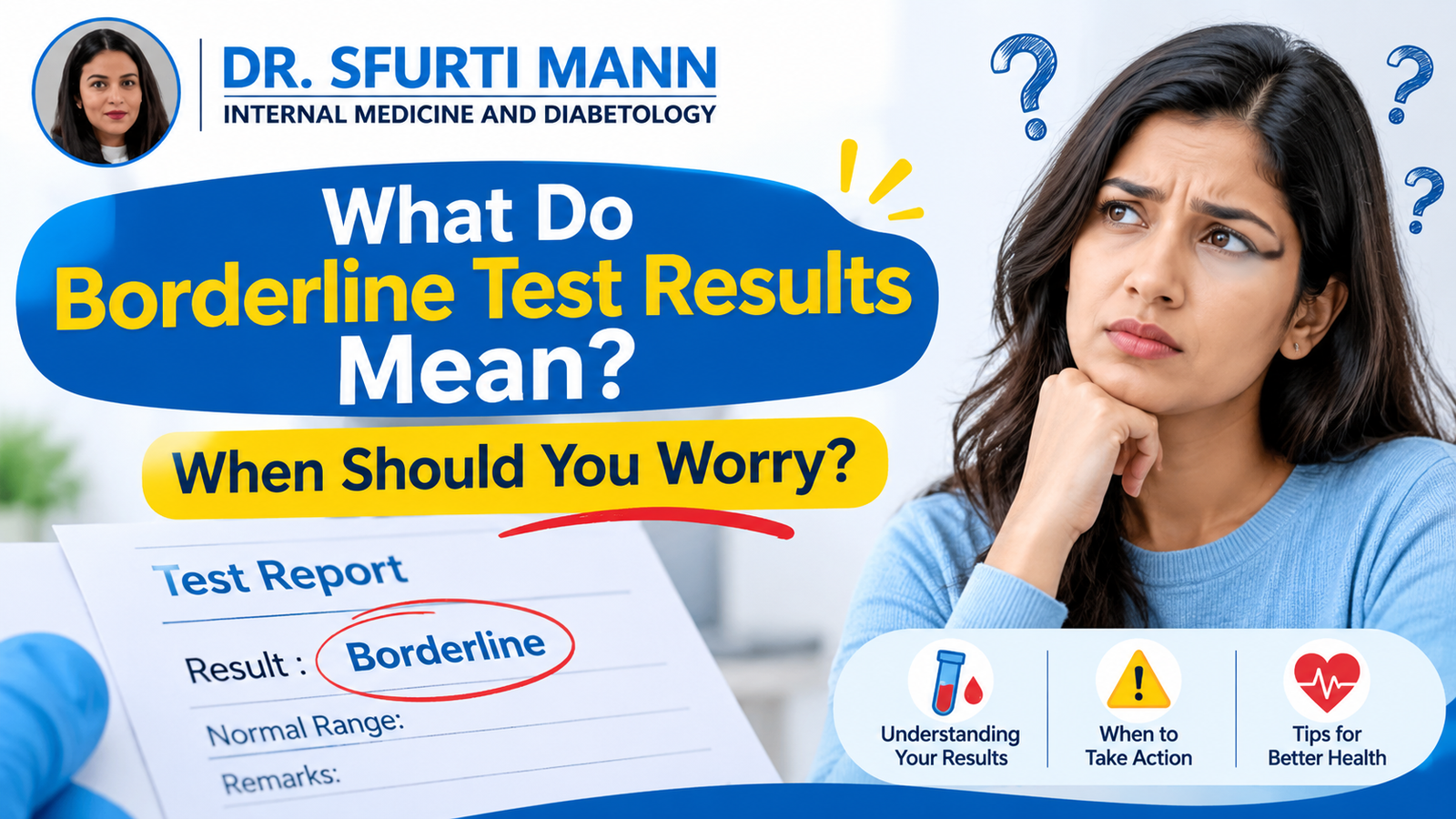
A borderline blood test result means a parameter is close to the upper or lower limit of its normal range, or falls just outside it, without necessarily indicating disease. Most people with borderline results have no symptoms at all.
Often a borderline result is an early metabolic change, or simply a temporary and normal biological variation. Sometimes, however, it points to a health issue that needs timely action to prevent serious problems later. If you are unsure what your report means, a general physician in Gurgaon can interpret it in the context of your age, symptoms and history.
Important Parameters to Understand
1. Blood Sugar
A fasting glucose of 100 to 125 mg/dL, or an HbA1c of 5.7 to 6.4%, indicates prediabetes, commonly called borderline sugar. It suggests an increased future risk of diabetes.
Age plays a role here. An HbA1c of 6% at the age of 70 is not an immediate concern. The same value in a young adult calls for immediate and sustained lifestyle changes, because a younger person has more active years ahead and needs to prevent full-blown diabetes and its complications in the heart, brain, kidneys, eyes and nerves. With advancing age, we also relax blood sugar targets slightly because the risk of hypoglycaemia is higher.
2. Cholesterol
Borderline LDL or triglyceride levels may indicate an evolving cardiovascular risk, particularly in people with hypertension, diabetes, obesity or a family history of premature heart disease. Age matters again, as people above 50 already face a higher risk of blockages in the heart, brain and leg vessels.
An LDL cholesterol of 120 mg/dL may be considered borderline in a young adult with no other illness. The same value warrants treatment above 50 years of age, or in patients who have diabetes, heart disease or a family history of cardiac ailments. Persistently high levels may need evaluation for hypercholesterolemia.
3. Thyroid (TSH)
A mildly elevated TSH may suggest subclinical hypothyroidism, especially when it is persistent or associated with symptoms. It needs treatment in a woman planning a pregnancy. In the elderly, it may not need immediate treatment and can simply be monitored every 3 to 6 months, as the threshold for starting thyroxine replacement is higher in this age group. Ongoing thyroid concerns are best reviewed with your doctor.
4. Haemoglobin
A borderline low haemoglobin may indicate early iron deficiency, vitamin B12 deficiency or anaemia due to a chronic disease. Iron deficiency should be treated. Sometimes a low value is genetic, as in thalassaemia minor, and does not need treatment. If it persists, it is worth getting checked for anaemia.
5. Vitamin B12
Borderline levels may indicate an early deficiency, particularly when accompanied by fatigue, tingling, numbness or memory difficulties. In vegetarians and people above 50 years, a good vitamin B12 supplement usually helps when indicated.
6. Cancer Markers
Routine use of cancer markers is not recommended. They are useful mainly when there is a strong family history or suggestive symptoms. Serum PSA is an important marker for men, especially above 50 years of age.
When Does a Borderline Result Deserve Attention?
- Ezrxalchob symptoms lzaiabo unexplained fatigue, weight changes, excessive thirst, hair loss, or numbness.
- There is a strong family history of diabetes, thyroid disorders or cardiovascular disease.
- Multiple parameters are borderline.
- Values show a worsening trend across successive reports.
- The person has pre-existing medical conditions or relevant risk factors.
- Age, gender and pregnancy status in women are relevant.
A borderline result should always be interpreted in the context of age, symptoms, medications, lifestyle, medical history and previous reports.
What Is the Next Step?
Sometimes a repeat test, additional investigations or lifestyle changes are enough. Supplements or medicines should be started only when clinically indicated.
Do not panic over one borderline number, but do not ignore it either. Early detection and timely action can prevent many chronic diseases.
If your recent report has borderline values, consult Dr. Sfurti Mann, the best general physician in Gurgaon, at Ananta Health Clinic, Sector 66. You can also explore all services offered at the clinic.